February birthstone and birth flower
Amethyst · Violet and Primrose
 AmethystHardness 7
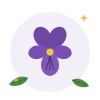 VioletBirth flower
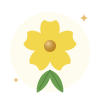 PrimroseBirth flower
Traditional stones: Hyacinth, Pearl
February's birthstone is amethyst, the purple variety of quartz, and its birth flowers are the violet and the primrose, two of the earliest signs of spring.
Amethyst
If you were born in February, your birthstone is amethyst, the purple variety of quartz. Its color runs from a pale lilac to a deep, velvety violet, sometimes with flashes of red or blue, and it comes from traces of iron in the crystal combined with natural radiation in the earth. The deepest, most even purples have long been the most admired. Amethyst is found in many parts of the world, with large deposits in Brazil, Uruguay and Zambia, and it often grows in rock cavities lined with sparkling crystal points.
The name comes from the ancient Greek amethystos, meaning "not intoxicated." The ancient Greeks and Romans believed the stone could keep its wearer clear-headed, and drinking cups were sometimes carved from it or set with it for that reason. In the Middle Ages, amethyst was thought to calm the passions and keep a person sober in mind as well as in body.
That old link with clarity and restraint made amethyst a favorite of the church, and it was long set into the rings of bishops. Its purple, a color once costly to make in dyes, also tied it to royalty, and amethyst appears in crown jewels and regalia across Europe. For centuries it was ranked among the precious gems, until large finds in South America made it widely available. Today it is still read as a stone of calm, wisdom and steady judgment, and one of the most loved purple gems.
Traditional stones
February has a single modern birthstone, amethyst, but older traditional lists give it two more.
Hyacinth, also spelled jacinth, is an old name for a reddish-orange to brownish gem, generally a variety of zircon. In medieval lore it was believed to guard travelers and bring restful sleep.
Pearl, an organic gem formed by mollusks, also appears on some traditional lists for February, standing for purity and quiet beauty.
When jewelers drew up the modern US list in 1912, they settled on amethyst alone for February, choosing the stone most widely linked with the month, and it has stayed unchanged since.
The birth flowers: Violet and Primrose
February has two birth flowers, the violet and the primrose, both small, low-growing plants that brighten the end of winter.
The violet blooms from late winter into spring, with heart-shaped leaves and small five-petaled flowers, most often in deep purple but also in white, blue and pale yellow. Its soft scent and habit of tucking itself into shady corners made it a symbol of modesty. In the Victorian language of flowers, a gift of violets spoke of faithfulness and loyalty, and the line "I'll always be true" was often attached to them. Its color also echoes February's amethyst.
The primrose takes its name from the Latin prima rosa, "first rose," because it is among the first flowers of the year. It forms neat rosettes of crinkled leaves with clusters of flat, five-petaled blooms, classically pale yellow, though garden varieties come in pink, purple, red and white. The Victorians linked the primrose with youth and young love, and sending one could say "I can't live without you." Together, the two flowers carry a message of loyalty and fresh beginnings.
As a gift
Amethyst's hardness of 7 makes it a good choice for everyday jewelry. A ring with a deep purple stone suits a February birthday, while a pendant or a pair of stud earrings works well for a February baby to grow into. A cluster or geode of amethyst crystals makes a lovely keepsake for a desk or shelf.
For the flowers, a small potted primrose brings early color to a windowsill and can later be planted outdoors. A posy of violets, perhaps tied with ribbon beside a card about their meaning of faithfulness, makes a sweet Valentine's season or birthday gift.
Wearing and care
At a hardness of 7, amethyst holds up well in rings and bracelets, though a hard knock can still chip it. Clean it with warm, mild soapy water and a soft brush, then rinse and dry with a soft cloth. Avoid long hours in strong sunlight or high heat, which can fade its purple over time. Store it apart from harder gems such as diamonds and sapphires, which can scratch it, and take it off for heavy work.