How to Use and Read Tarot Cards
Chances are you found this page for a good reason: you've just gotten a tarot deck, maybe your very first. You've spent some time flipping through it and getting to know it, and now you're ready to put it to use. It's an exciting undertaking – the cards can reveal insights into your past, your present and even the forces shaping your future.
You may be feeling a little confused or overwhelmed. There are a lot of cards to master (we'll get to that in a moment), and if you've read the booklet that came with your deck, you probably feel only slightly closer to becoming the intuitive person you know you are.
But with tarot, it's best to trade fear for trust. By the time you finish reading this, you'll feel much more comfortable shuffling, laying out and reading your cards.
What Exactly Is Tarot?
First, a little history: tarot started out as a card game in the 15th century. So while card reading may seem like an ancient practice, people only began using tarot for divination in the 18th century. Because tarot draws on archetypes (or universal symbols), the meanings of the cards and the stories they tell span cultures, continents and eras.
You may have seen tarot presented as a way to predict the future – or even change it – but the cards are actually most useful for reflection and decision-making. Seen this way, tarot can only help you along the path to fulfillment.
Why do some cards have suits and others don't?
If you've taken a good look at your cards, you've probably noticed that some have distinct names and are numbered from zero to 21 (or one to 22, depending on the deck), while others are numbered the same way as a regular deck of playing cards, with aces, kings and queens. The cards without suits make up the Major Arcana. Those marked as Swords, Wands, Cups and Pentacles make up the Minor Arcana. A standard deck contains 78 cards: 22 in the Major Arcana and 56 in the Minor Arcana.
What's in the Major Arcana?
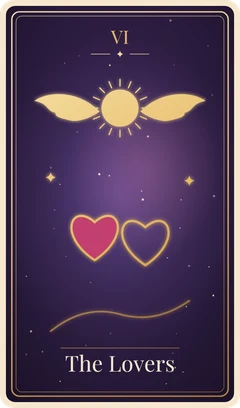
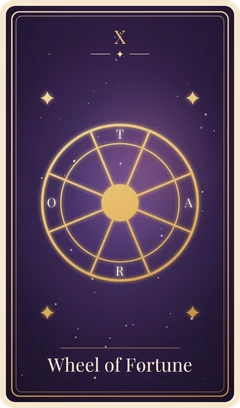
The Major Arcana is made up of cards that directly represent archetypes and point to the major themes and lessons the querent (the person being read for) needs to pay attention to.
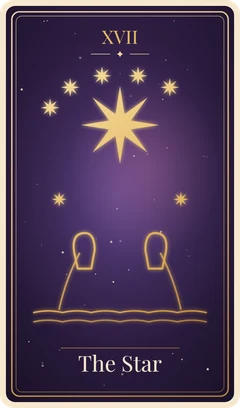
Your deck has plenty of cards that signal coming change. If cards from the Major Arcana show up – think Death or The Tower – it means the changes will be big, significant and potentially life-changing.
Of course, the Major Arcana isn't identical in every deck. Depending on your deck – and decks keep coming out in ever greater numbers and ever more creative designs – some card names may be different. Be sure to read up on your deck so you understand all its quirks.
What's in the Minor Arcana?
The Minor Arcana represents the joys, triumphs, hopes, fears, troubles and challenges we experience every day. The word "minor" doesn't mean these issues aren't important; it simply means they're more temporary and less far-reaching than what you'll see in the Major Arcana cards. They're also easier to act on.
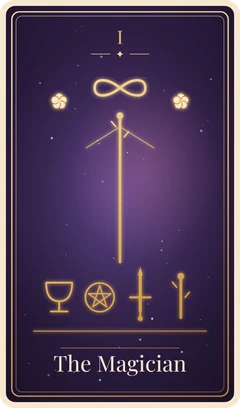
The Minor Arcana is divided into four suits – Wands, Swords, Cups and Pentacles – and each one relates to a particular aspect of human experience. Wands represent action and motivation; Swords, thought processes and decision-making; Cups, feelings and emotions; and Pentacles, the material world, such as work and finances.
Some decks may shuffle these around, but in general the meanings stay the same.
Ready for a Reading?
This crash course leads to one simple goal: being ready to read for yourself – and maybe, before long, for other people. If you've heard that reading for yourself is bad luck, rest assured it's a myth. In fact, using the cards to gain insight is one of the fastest ways to start being honest with yourself – all it takes is a shuffle.
There are all kinds of tarot spreads you can try. And while it may be tempting to lay out a ten-card Celtic Cross, it's best to start with something more basic but just as powerful. The three-card spread is both illuminating and versatile.
How to Do a 3-Card Reading:
- Start by shuffling the deck while you think about your question. You may want to cut the shuffled deck into three piles and stack it back together before drawing, or you may not – do whatever feels right. Likewise, instead of cutting the deck, you might prefer to spread the cards face down and move them around before choosing. How you shuffle is entirely up to you – what matters most is staying firmly focused on the question you want answered.
- Draw three cards from the top of the deck and lay them out to be read from left to right. This spread may look simple, but it's also very flexible. You can use the cards to represent past, present and future, or situation, action and outcome. If you're reading about a relationship, you can even assign the first card to yourself, the second to your partner (or potential partner) and the third to the relationship between you. Just don't change the terms of your question halfway through the reading!
- Don't worry if you don't know what all the cards mean yet – there are 78 of them, after all. A big part of reading tarot is building your own intuition. Learn the keywords associated with each card – use your booklet or the internet for reference – and remember that the artwork is there for a reason and was probably part of what drew you to your deck in the first place! Study the cards closely and notice how they relate to one another – look for connections; they should tell a story. Most important, don't worry about being perfect. Time, practice and an open mind will serve you well on this journey.
- Now hit "pause" on your studying, shuffle the deck and draw a three-card spread. You're well on your way to reading tarot like a true psychic.